

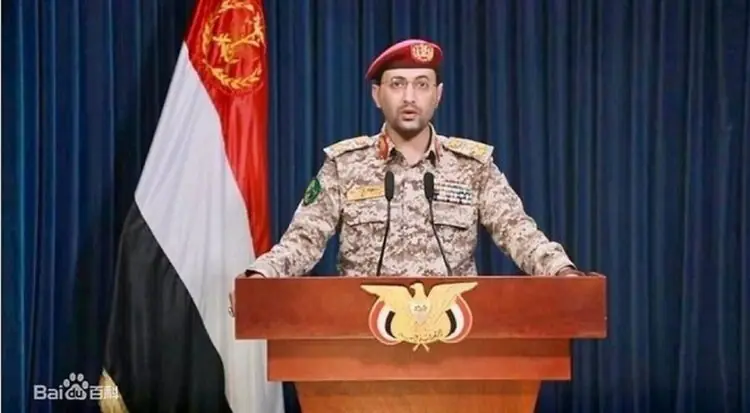
The geopolitical landscape of the Middle East continues to be marked by complexities and escalating tensions. On June 21, 2023, a significant pronouncement from the spokesperson of the Houthi movement, Mohammed Abdul Salam, was broadcasted on Al Masirah TV, warning of potential actions against U.S. naval forces should America escalate military aggression towards Iran. This statement sheds light on the intricate dynamics at play as various actors navigate their strategic interests in the region.
The Houthis, officially known as Ansar Allah, have positioned themselves as a formidable force in the ongoing Yemeni conflict, backed by Iran. In his recent statements, Salam underscored that the Houthis are closely monitoring developments in the region, particularly any actions perceived as hostile towards Yemen. He emphasized the group’s commitment to utilizing “all necessary and legitimate means” to protect their national security. The Houthis’ narrative frames them as defenders against external aggressors, accusing Israel of attempting to dominate the Middle East with the support of the United States. This assertion illustrates their alignment with Iran, portraying the latter as a pivotal actor obstructing U.S. and Israeli ambitions in the region.
Salam’s comments resonate with the broader regional discourse, where the perceived encroachment of U.S. and Israeli influence is met with resistance from Iran and its allied groups. The Houthis have firmly declared their support for Iran, positioning themselves against what they term the “criminal entities” of the U.S. and Israel, indicating a readiness to confront any perceived threats to their sovereignty.
In parallel to the Houthis’ assertive posturing, U.S. military actions are also shaping the narrative in the region. A report from Fox News revealed that six B-2 stealth bombers from Whiteman Air Force Base in Missouri were en route to the U.S. military base in Guam, conducting mid-air refueling operations. The B-2s are believed to potentially be equipped with the GBU-57A/B Massive Ordnance Penetrator (MOP), a groundbreaking class of weaponry developed to target fortified underground nuclear facilities, particularly those in Iran.
The deployment of B-2 bombers signifies a strategic message couched in military readiness, as the U.S. continues to assess its options following tensions with Iran. President Trump has stated he will evaluate the circumstances surrounding potential military strikes against Iran, indicating that a decision is expected within the forthcoming weeks. The situation poses significant implications not only for U.S.-Iran relations but also for the stability of the broader Middle East, as military engagement may provoke further escalation.
The landscape in the Middle East is fraught with volatility as the Houthis rally against perceived threats while the United States maneuvers its military assets in potential preparation for conflict. The echoes of Salam’s warnings and the strategic deployment of B-2 bombers highlight an impending crossroads where diplomatic engagements or military confrontations could shape the fate of the region.
As we monitor these developments, it becomes increasingly clear that the interplay of regional and global powers in the Middle East remains a critical focus area. The situation calls for a thorough understanding of the underlying motivations, the historical context of the conflicts, and the potential impact of military actions on regional stability and international relations. While the future remains uncertain, the current escalation of rhetoric and military readiness suggests that caution, diplomacy, and engagement will be essential in navigating this multifaceted crisis.